Westchester Mattress: A Local Guide to Buying Sleep with Science and Sense
Exploring a regional approach to mattress education, sleep health, and consumer guidance for Westchester residents. A Time magazine–style meditation on craft, science, and everyday comfort.
A Local Domain, A Global Question: What Westchester Mattress Means
In an era of instant shopping and click-through recommendations, a domain such as westchestermattress.com invites a more human-scale conversation. The name signals two coordinates: a place and a purpose. Westchester anchors readers in a region known for its mix of urban and suburban living, schools, healthcare, and design sensibilities. Mattress, meanwhile, anchors readers to a product—one that blends science, comfort, and daily life. The combination becomes a localized guide rather than a storefronts directory. It invites readers to understand how sleep intersects with space, noise, lighting, and routine. The goal is to empower informed decisions, not to push products or promote retailers.
A regional focus matters because sleep is both universal and intensely personal. The Westchester environment—urban noise near transit corridors, quieter bedroom corners in suburban streets, changing seasons, and varied housing—shapes the way mattresses perform. The site therefore orients itself toward education: how materials behave, what terms like “indoor air quality,” “foam density,” and “coil gauge” actually mean, and how to translate science into practical steps for any bedroom in Westchester County.
Editorial Approach: Education First, Guidance Second
Modeled after the rigor of a Time magazine feature, the site blends reporting, expert voices, and consumer-facing explainers. It distinguishes between facts, myths, and marketing language that often obscures real choices. The editorial stance is non-commercial by design: information is offered to illuminate, not to up-sell. When commerce enters the conversation, it does so transparently—clear disclosures, context about any partnerships, and a steadfast commitment to accuracy over affiliation.
Key elements include:
- Evidence-based explanations of mattress construction, materials, and their impact on comfort and durability.
- Region-specific considerations—how Westchester’s housing stock, noise ordinances, and climate influence sleep environments.
- Practical, step-by-step guides for buyers—without endorsements or hidden agendas.
- Profiles of sleep health, ergonomics, and the science of rest that readers can apply in their bedrooms tonight.
Three Key Voices Across Time: From Antiquity to the Digital Era
Sleep has always been a social practice shaped by culture, science, and technology. To illuminate this continuum, we present three representative perspectives from different time periods—each offering a different lens on comfort, health, and the art of choosing a mattress.
1) The Ancient Egyptian Sedentism of Comfort
Circa 1500 BCE
In antiquity, the bed was a symbol of status and stability. We encounter memory of mats and raised platforms that kept the sleeper close to temperature regulation and airflow. The core insight remains timeless: comfort arises not only from the surface you sleep on but from the surrounding environment—the cave's humidity, the bedding's texture, and the rhythm of the household. Today, those lessons translate into breathable materials, tidy sleep spaces, and a respectful approach to warmth and airflow in Westchester bedrooms.
2) The Enlightenment Clinician-Philosopher
Circa 18th Century
The idea of sleep as a diagnostic mirror—where the body reveals its needs—emerges in theories of posture, alignment, and rest quality. The modern mattress debate echoes that sentiment: materials and designs should support the natural curves of the spine, maintain even distribution of pressure, and offer breathable comfort. In Westchester, this translates into a growing interest in hybrid systems, latex, and well-ventilated fabrics that temper seasonal changes.
3) The Digital Forester of Sleep: 21st Century
Today
We live in a time of data dashboards and product claims, where the best guidance helps readers cut through the noise. The contemporary voice prioritizes clarity about materials, testing standards, and real-world performance—how a mattress responds to heat, motion, edges, and the needs of different bodies. The Westchester approach foregrounds consumer education in this era: a sustainable, transparent framework for evaluating options, including a focus on organic and environmentally responsible choices, as exemplified by products like the Naturepedic Elysium Hybrid Organic Mattress.
Core Content Areas: Building a Regional Buying Guide, Not a Retail List
To honor the aims of a regional, non-salesy resource, the site develops a structured set of core sections designed to educate and empower readers:
- Matter-of-fact Mattress Buying Guide (region-specific): what to look for, how to compare, and how to assess personal sleep needs in a Westchester home.
- Sleep Science & Health Basics: the biology of sleep, circadian rhythms, temperature regulation, and how these influence mattress choice.
- Material & Technology Explainers: latex, memory foam, innerspring, hybrids, and the subtle differences in feel, durability, and breathability.
- Local Resources & References: clinics, sleep labs, housing considerations, noise mitigation, and room design guidance tailored to Westchester apartments and homes.
- Seasonal & Practical Guides: bedroom setup, cleaning and hygiene, and tips for managing heat and cold across seasons.
A Local, Non-Commercial Demonstration: The Naturepedic Elysium as a Case Study
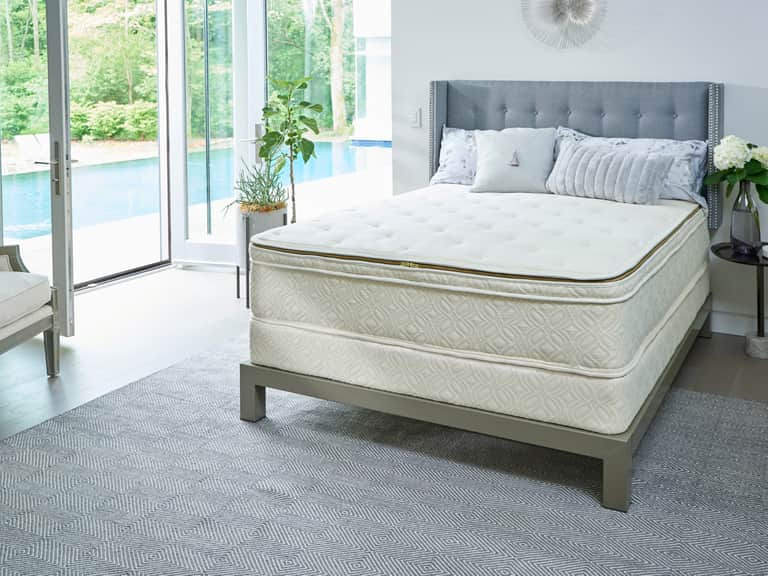
While the site does not endorse retailers, it can illuminate product possibilities through illustrative case studies—how a high-end, organic hybrid like the Naturepedic Elysium Hybrid Organic Mattress performs in practice. This model embodies several themes: a commitment to organic materials, a layered coil architecture for durability, and an emphasis on temperature regulation through natural fibers. Readers can assess its attributes in terms of sleep health, environmental impact, and long-term value.
Key features to highlight in a regional context include:
- 15-inch profile with double-layered organic wrapped coils for robust support and long-term contouring.
- Three layers of organic Dunlop latex and a plush pillowtop for targeted pressure relief.
- Natural wool, alpaca, and cashmere blends that contribute to thermal management and luxury feel.
- GOTS-certified materials and U.S.A.-made foundations that emphasize sustainability and durability.
In Westchester homes, where room layouts and climate vary, a model like the Elysium provides a framework for understanding how durability, temperature control, and material quality affect nightly rest—without steering readers toward a specific retailer. The goal is to help readers translate these features into personal decisions about comfort, room design, and long-term health outcomes.
Naturepedic Elysium Hybrid Organic Mattress
Overview: A luxurious, organic hybrid that blends coil support with customizable latex comfort, wrapped in natural fibers for temperature regulation.
Key features: 15" height, 3" organic Dunlop latex, 12" double-wrapped coils, wool/alpaca/cashmere blend, 500-thread-count organic sateen quilt, GOTS-certified materials, Made in USA.
Why it matters regionally: The Westchester climate and living patterns demand a surface that breathes, supports, and lasts. Organic materials reduce chemical exposure and support sustainable living, aligning with local values around health and environment.
Price reference: 6999.00 USD (list), with potential variations by retailer. The image above is for illustrative purposes in regional education content.
Local Resources: Building a Directory Without Endorsement
A robust local resource section helps readers connect the dots between sleep health and Westchester life. Rather than ranking retailers, the directory presents neutral listings categorized by purpose:
- Sleep health clinics and sleep studies
- Housing-related considerations (noise management, lighting, room design)
- Product literacy resources (care guides, mattress maintenance, safety tips)
- Consumer advocacy and rights information (returns, warranties, negotiation tips)
Readers encountering a local provider or product can use the guide to assess credibility, compare options, and recall the fundamental questions that support smart decisions—how a mattress supports sleeping posture, what materials mean for durability and breathability, and how to evaluate comfort without purely subjective impressions.
Seasonal, Practical Guides: A Room-by-Room Approach
Sleep quality isn’t only about the mattress. It’s about the environment: lighting, temperature, acoustics, and the rhythm of life around the bed. The guide offers seasonally attuned, practical steps to improve sleep in Westchester homes:
- Bedroom design for airflow: using breathable fabrics, light colors to reduce stimulation, and strategic window treatments for morning light.
- Noise mitigation: placement of beds away from street-facing walls, white-noise devices, and sound-dampening curtains where permissible by housing.
- Temperature strategies: layering breathable bedding with natural fibers, optimizing HVAC use to maintain a comfortable range.
- Maintenance and hygiene: simple cleaning routines, allergen-aware practices, and the role of mattress protectors.
A Product Snapshot: The Monmouth Mattress Pad and the Broad Bedding Category
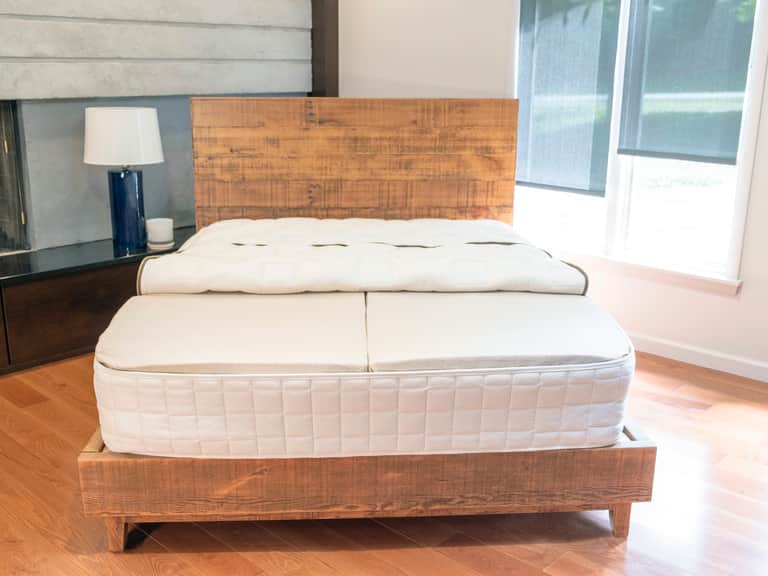
Beyond the core mattress, bedding components—pads, toppers, and protective layers—play a crucial role in comfort, longevity, and sleep quality. The Monmouth Mattress Pad offers premium down fill and a tailored shell that enhances surface softness while preserving mattress integrity. In reading Westchester’s bedroom narratives, such accessories become practical tools for seasonal adjustment and sleep hygiene.
Monmouth Mattress Pad
European white goose down, 600+ fill power, 10-inch sewn-through box construction for even distribution. Made in the USA with imported materials. A lightweight but luxurious layer that bets on breathability and loft.
- Materials: European white goose down; cotton shell
- Care: machine wash cold; air-dry; avoid agitators
- Fit: elasticized sides fit up to 20" deep mattresses
Bedding and Toppers: Practical Variants
Bedding remains a practical and often overlooked dimension of sleep health. Toppers—wool, latex, or a blend—offer a bridge between personal comfort and mattress longevity. The right topper can alter firmness, improve pressure relief, and extend the mattress’s useful life, all while contributing to thermal comfort in Westchester’s diverse climates.
Note: This article is designed to inform readers with region-specific context. It highlights product concepts without endorsing particular retailers, and it encourages readers to verify any claims with independent sources.
If you’d like to see more on a specific topic—ergonomics, sleep disorders, or housing design’s impact on rest—tell us in the Westchester comments section, and we’ll tailor future coverage.