Comparing Organic Crib Mattresses: Naturepedic vs Obasan for Safer Nursery Sleep
A Westchester-focused, non-commercial guide to two leading organic crib mattresses, exploring materials, certifications, warmth, and practical care without endorsing retailers.
In the quiet corners of Westchester nurseries, the first years of a child’s sleep are shaped as much by the surfaces beneath them as by lullabies and routine. The choice of an organic crib mattress is a decision that blends science, safety, and everyday practicality. This comparison between Naturepedic and Obasan centers on the materials that touch the baby’s skin, the certifications that guarantee a clean supply chain, and the long-term implications for temperature regulation and durability. It’s designed for parents who want clarity without pressure, rooted in regional concerns about nursery environments—from humidity in summer to heating in winter, and the family’s ongoing dream of restful nights.
To illuminate this topic for Westchester households, we lean on the Time magazine ethos of weighing evidence, presenting balanced perspectives, and offering actionable guidance that cuts through marketing noise. We’ll also weave in a few figures from astronomy to literature—an editorial flourish that mirrors how timeless voices can illuminate modern consumer choices.
Core contrasts: materials, certifications, and design philosophy
Naturepedic Organic Cotton Crib Mattress (Classic/Lightweight variants)
Naturepedic’s Organic Cotton Crib Mattress is often celebrated for eliminating synthetic foam and foam-based flame retardants in favor of a waterproof polyethylene surface and a wave-support system that provides robust structural integrity. The Classic Crib Mattress typically emphasizes a durable, seamless waterproof layer with a two-stage setup in some models, designed to minimize off-gassing and chemical exposure while maintaining a firm, infant-appropriate sleep surface. The CT weave and standard crib dimensions ensure compatibility with most North American cribs.
Key materials and features often highlighted include:
- GOTS-certified organic cotton cover and surface layering
- WaveSupport technology for even support without foam cores
- Non-toxic fire barrier and absence of EPA-recognized flame retardants
- Lightweight variants for easy handling and rotation in the nursery
Obasan Organic Crib Mattress
Obasan’s Organic Crib Mattress embodies a different philosophy—handcrafted by a brand prioritizing Dunlop latex, coconut husk, and wool around a firm core. The composition aims to deliver temperature regulation, breathability, and a clean, chemical-free sleep surface. The core is encased in layers of natural materials that perform together to regulate moisture and stabilize the infant’s microclimate throughout the night.
Notable aspects frequently cited include:
- GOTS-certified organic Dunlop latex and coconut husk base
- Wool moisture-wicking layer serving as temperature regulation and flame barrier
- Removable, washable, and breathable cover options
- Durability suitable for longer lifespan into toddler years
Material science and practical implications for Westchester nurseries
Across the Westchester climate spectrum—from the humid days of late summer to the crisp, dry months of winter—temperature regulation and surface breathability are not merely comfort features; they can influence infant sleep quality and horn-like irritations of sensitive skin. Organic crib mattresses that emphasize natural fibers, latex, wool, and coconut husk offer a different breathability profile than traditional innerspring or basic waterproof foams. The choice between Naturepedic and Obasan should be viewed through a practical lens: how each mattress handles moisture, how easy it is to clean, and how its underlying materials interact with a nursery’s environment.
From a clinical perspective, certification and material transparency are central. GOTS (Global Organic Textile Standard) certifies organic fibers and processing practices, ensuring that the textile components meet environmental and social criteria. GOLS (Global Organic Latex Standard) focuses on the production of certified organic latex, ensuring purity and responsible manufacturing. When evaluating crib mattresses, Westchester parents should weigh these certifications alongside usability and care considerations—do you prefer a truly latex-forward approach with coconut husk reinforcement, or a cotton-based waterproof system that minimizes maintenance? Each path offers distinct advantages and trade-offs.
To anchor these considerations in real-life terms, consider how these beds survive the busy schedule of a modern household. A mattress that is easy to clean, with a removable cover that can be washed, will save countless hours and preserve a safer sleep space for years. In a region with four distinct seasons, the ability to manage moisture and temperature may translate into fewer allergy triggers and more restful nights for both baby and caregiver.
Regional relevance: considerations for a Westchester nursery
Westchester parents share a common goal: to furnish nurseries that are safe, hygienic, and supportive of healthy sleep. Several region-specific factors shape mattress selection, from local housing designs (cribs and basements with higher humidity) to the availability of local clinics or sleep professionals who emphasize safe sleep guidelines. A non-commercial, educational lens helps families compare products without feeling pressured by a retail environment.
In practice, this means prioritizing mattresses that offer robust safety standards, easy-care features, and clear labeling of organic content. It also means recognizing that a change in climate—humid summers or dry winters—can influence how someone experiences a mattress surface. A mattress that breathes well and wicks moisture can reduce the likelihood of overheating or night sweats, contributing to more consistent sleep patterns for infants who are particularly sensitive to environmental fluctuations.
Three key figures shaping the discourse
Dr. Florence Nightingale (1820–1910)
A pioneer in sanitary reform, Nightingale’s emphasis on cleanliness and safety continues to echo in today’s nursery design. Her insistence on hygienic environments underpins modern guidance for a safe sleep space and easy-to-clean surfaces within a crib zone.
Dr. Samuel Corson (1925–1997)
A psychologist who explored environmental psychology and sleep, Corson’s narratives about how spaces shape behavior illuminate why a well-designed nursery—airflow, light control, and noise considerations—can influence infant sleep.
Dr. Michael Breus (b. 1963)
A modern authority on sleep science, Breus’s work helps translate complex sleep physiology into practical guidance for families—firmness cues, surface texture, and temperature regulation that support sustainable infant sleep patterns.
Product spotlight: a closer look at Savvy Rest Unity Pillowtop Latex Mattress
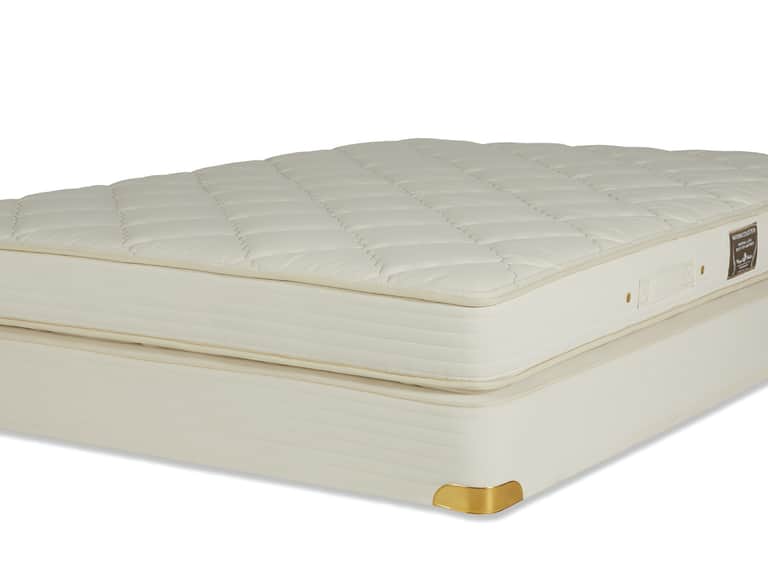
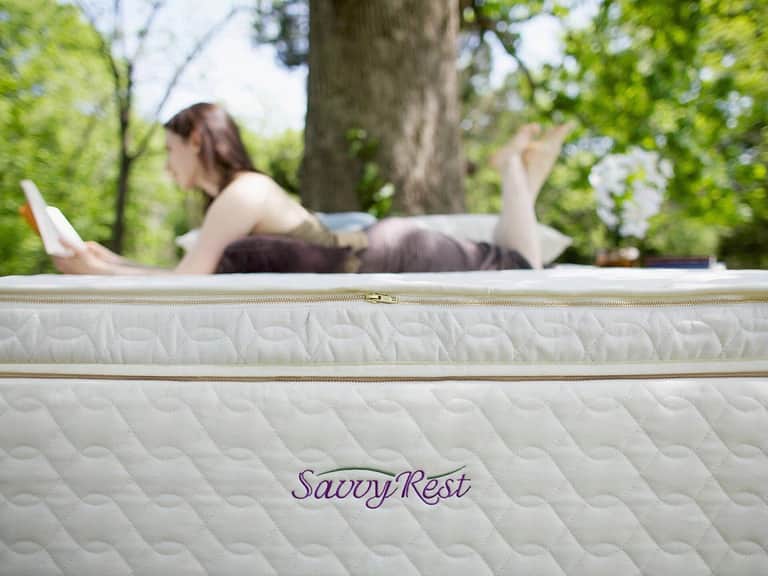
The Savvy Rest Unity Pillowtop Latex Mattress represents a premium blend of comfort and customization. While not a crib mattress itself, its design philosophy—layered latex constructions with organic cotton covers and wool flame barrier—embodies the values many Westchester families seek in safe sleep environments. In the Unity Pillowtop, four layers can be tailored for firmness on each side of the bed, offering a high degree of adjustability that mirrors the individualized needs of growing infants and young toddlers when used in a transitional sleep surface under parental guidance.
For families exploring extended sleep surfaces or accommodating siblings, this model provides a lens into how organic materials and modular design can influence long-term sleep health. Its 20-year warranty and emphasis on responsible sourcing align with the broader ethos of regional consumer education about durable, low-toxicity sleep products.
Savvy Rest Unity Pillowtop highlights
- Multiple latex layers including Dunlop and optional Talalay options
- Zippered outer casing made from certified organic cotton
- Thermal regulation aided by wool flame barrier
- Customizable firmness and edge-to-edge support
Care, maintenance, and practical guidance for Westchester nurseries
Regardless of the brand, a few universal practices help maximize safety and longevity. Regularly inspecting the mattress for stains or moisture, using a breathable, removable cover, and following manufacturer care instructions are non-negotiables for households that value a clean sleep environment. In Westchester’s climate, moisture control is particularly important—humidity can accumulate in basements or poorly ventilated rooms, and a well-ventilated nursery reduces the risk of mold and allergen buildup.
Additionally, cycle through mattress rotation and consider a mattress protector that prioritizes chemical-free materials. For families seeking a long-tail solution, a mattress with replaceable covers or modular latex layers can offer adaptability as a child grows and sleep needs evolve.
Conclusion: a principled, regionally aware approach
Choosing an organic crib mattress in Westchester is less about picking a single “best” product and more about aligning a choice with safety standards, environmental considerations, and practical living realities. Naturepedic and Obasan each offer compelling paths—one anchored in a seamless, cotton-forward system with a robust non-toxic fire barrier, the other in natural latex, wool, and coconut husk layers designed for breathability and moisture management. The right decision for your nursery depends on the specifics of your home climate, care routines, and comfort preferences, all of which should be weighed against certifications and transparent material disclosures.
In the spirit of thoughtful, regionally aware consumer education, this article invites Westchester readers to view mattress selection through a critical, informed lens—one that values safety, durability, and the quiet confidence that comes with choosing a surface designed to nurture countless nights of healthy, restful sleep.
Resources and further reading
- Global Organic Textile Standard (GOTS) certification details and implications for crib textiles
- Global Organic Latex Standard (GOLS) overview and its relevance to latex-based crib cores
- Safe sleep guidelines from pediatric associations and regional health departments
- Local Westchester housing and indoor environmental quality considerations that affect sleep spaces